Steve Belz
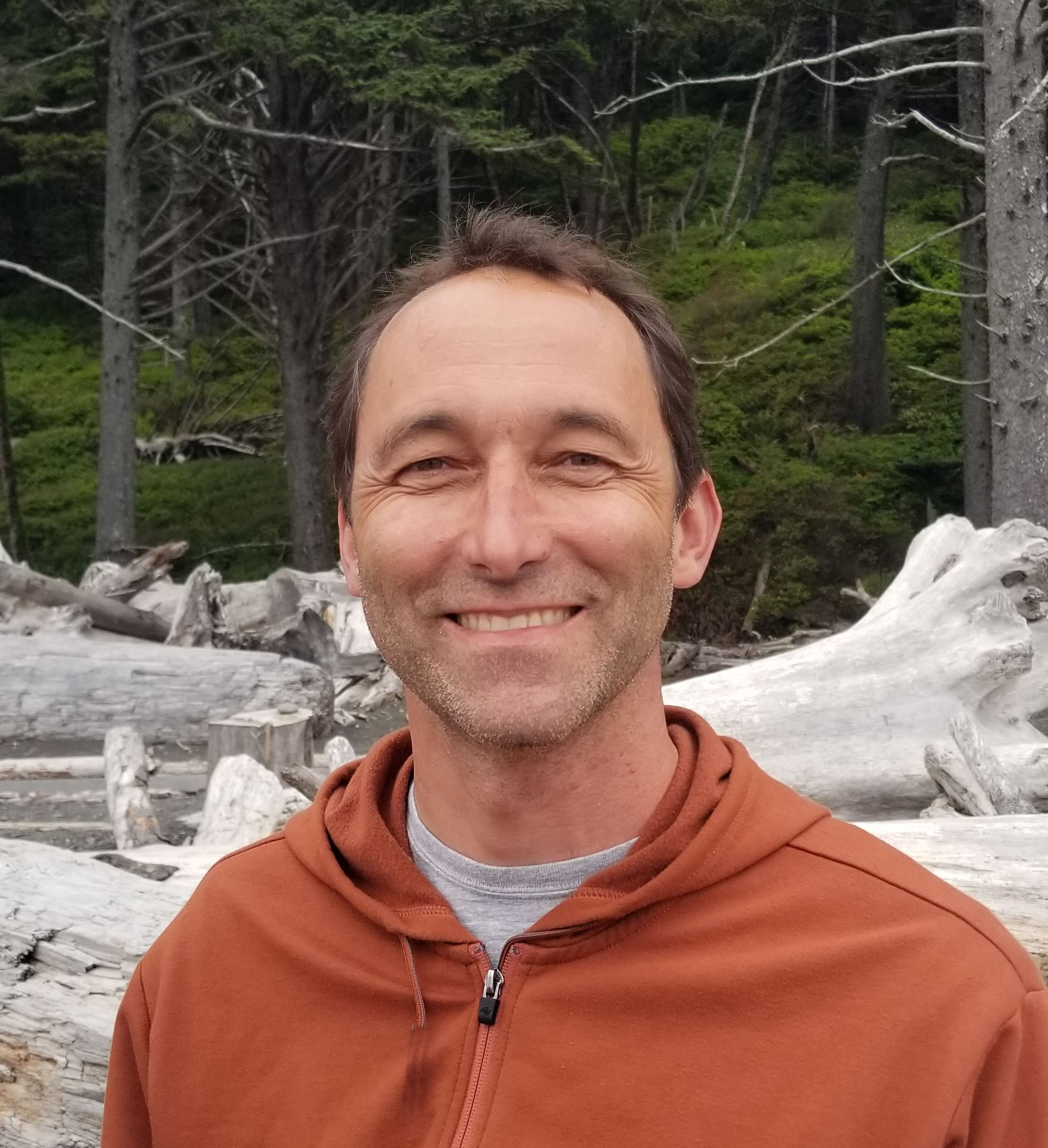 Steve Belz is an artist, educator, potter, and sculptor whose work investigates the intersection of contemporary life and the natural world, seeking to foster deeper connections with people and nature.
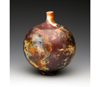
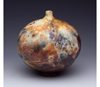
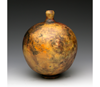
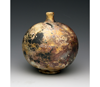
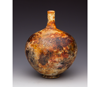
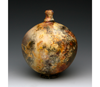
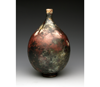
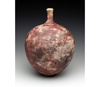
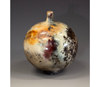
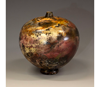
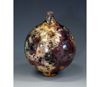
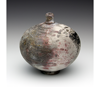
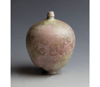
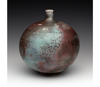
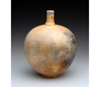
Raised in Thurston County, Washington, Steve developed a lasting reverence for the environment that continues to inform and inspire his creative practice. The bottles in this show investigate the relationship of clay, fire, and seaweed. They are fired in a bonfire that promotes unpredictable surfaces, and fosters connections to raw materials and historic processes.
Steve earned a B.S. in Environmental Studies from The Evergreen State College (1995) and an M.F.A. from Kansas State University (2012).
In 2015, Steve returned to Washington State to lead the ceramics program at Peninsula College in Port Angeles, where he is currently a tenure-track professor of art. His work has been exhibited widely, and he remains active in presenting workshops and lectures across the country.
 Process
Each bottle begins as a thrown porcelain form that is carefully trimmed on the potter's wheel and coated with a thin layer of terra sigillata. After an initial bisque firing, copper is applied to the surface and the vessel is wrapped in a lot of fresh seaweed that is secured with wire. The seaweed contributes a rich variety of salts and minerals that react with the clay and copper during firing, producing unexpected flashes of color and subtle surface variations.
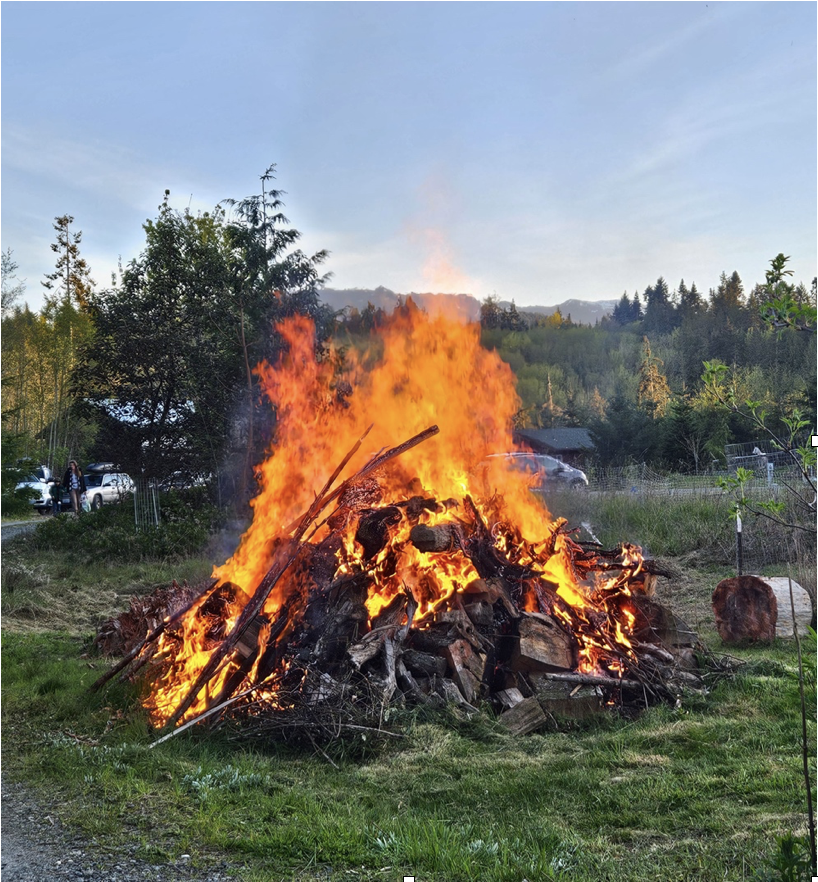
The bottles are then fired in an open bonfire fueled by wood. As the fire intensifies, additional wood is added until the vessels reach the same glowing color as the surrounding flames. During this process, the interaction of clay, copper, seaweed, ash, flame, and atmosphere produces surfaces that are both intentional and unpredictable. The fire leaves distinctive marks, flashes of color, and nuanced variations that cannot be fully controlled. After cooling overnight, the bottles are cleaned and sealed with a clear finish. Each piece bears the unique record of its experience with the fire, reflecting both the maker's hand and the transformative forces of the firing itself.
Raised in Thurston County, Washington, Steve developed a lasting reverence for the environment that continues to inform and inspire his creative practice. The bottles in this show investigate the relationship of clay, fire, and seaweed. They are fired in a bonfire that promotes unpredictable surfaces, and fosters connections to raw materials and historic processes.
Steve earned a B.S. in Environmental Studies from The Evergreen State College (1995) and an M.F.A. from Kansas State University (2012).
In 2015, Steve returned to Washington State to lead the ceramics program at Peninsula College in Port Angeles, where he is currently a tenure-track professor of art. His work has been exhibited widely, and he remains active in presenting workshops and lectures across the country.
Each bottle begins as a thrown porcelain form that is carefully trimmed on the potter's wheel and coated with a thin layer of terra sigillata. After an initial bisque firing, copper is applied to the surface and the vessel is wrapped in a lot of fresh seaweed that is secured with wire. The seaweed contributes a rich variety of salts and minerals that react with the clay and copper during firing, producing unexpected flashes of color and subtle surface variations.
The bottles are then fired in an open bonfire fueled by wood. As the fire intensifies, additional wood is added until the vessels reach the same glowing color as the surrounding flames. During this process, the interaction of clay, copper, seaweed, ash, flame, and atmosphere produces surfaces that are both intentional and unpredictable. The fire leaves distinctive marks, flashes of color, and nuanced variations that cannot be fully controlled. After cooling overnight, the bottles are cleaned and sealed with a clear finish. Each piece bears the unique record of its experience with the fire, reflecting both the maker's hand and the transformative forces of the firing itself.